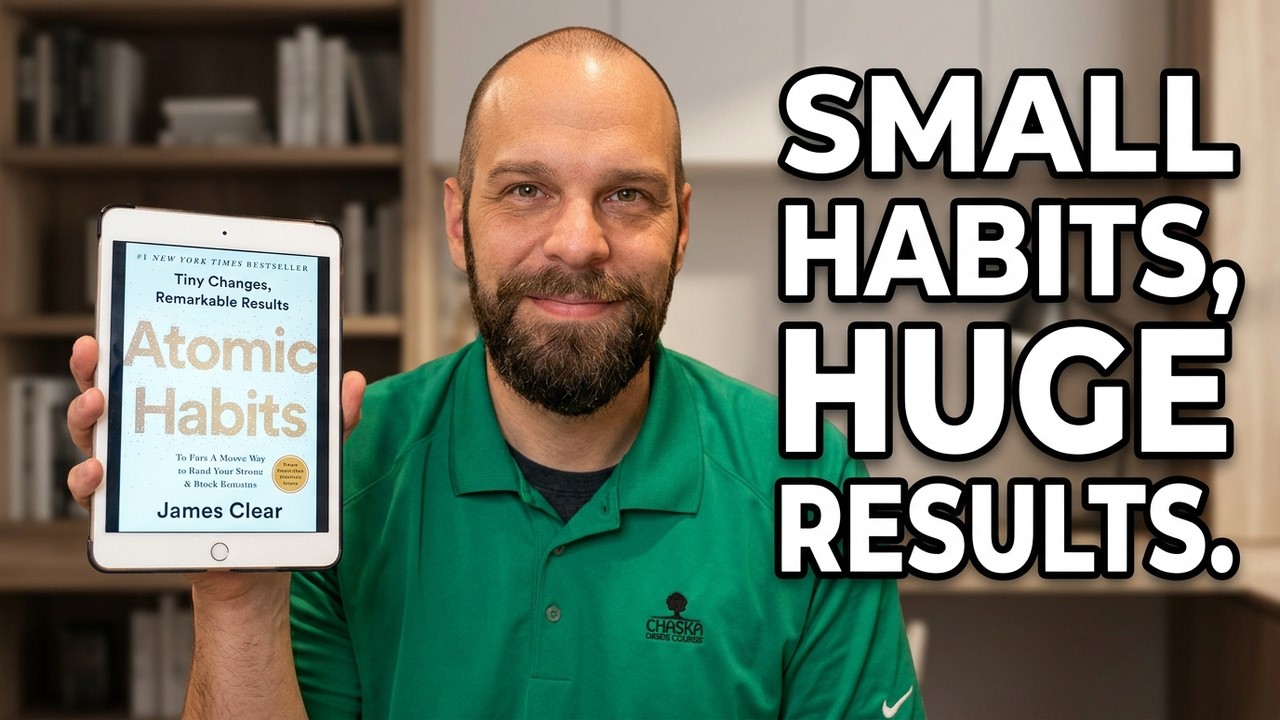
Overview of Atomic Habits by James Clear
Atomic Habits by James Clear is a widely acclaimed book that provides a detailed, practical framework for developing and maintaining beneficial habits. The text is well-written and easy to read, making it accessible to anyone interested in transforming their habits and achieving their objectives. Clear’s writing style is straightforward and concrete, offering readers a clear, step-by-step path to long-term behavioral change.
Practical Methods for Habit Development
James Clear’s book stands out due to its focus on actionable strategies rather than abstract theories. The core of the book revolves around practical methods that help readers :
-
Develop new positive habits
-
Maintain these habits consistently over time
-
Break detrimental habits that hinder progress
These methods are presented in a way that allows for gradual integration into daily life, making habit change feel achievable and sustainable rather than overwhelming.
Step-by-Step Path to Change
The strength of Atomic Habits lies in Clear’s ability to break down the habit-building process into manageable steps. He emphasizes the importance of modest, incremental adjustments that accumulate to produce significant long-term results. This approach helps readers avoid the common pitfall of expecting immediate, drastic transformations and instead encourages steady, measurable progress.
Use of Real-Life Anecdotes and Examples
The book is enriched with numerous real-life anecdotes and examples of individuals who have successfully altered their behaviors. These stories serve to make the material relatable and motivating, demonstrating that anyone can change their habits with the right tools and mindset. Clear also addresses common obstacles in habit formation and offers strategies to overcome them, which adds a realistic perspective to the journey of personal growth.
Measurement and Experimentation
Clear stresses the importance of tracking progress and experimenting with different approaches to habit development. This scientific mindset encourages readers to assess their behaviors continually and make adjustments as needed to ensure continued growth. The emphasis on measurement helps maintain motivation and provides tangible proof of progress, which is crucial for sustaining new habits.
Who Should Read Atomic Habits?
This book is highly recommended for a wide audience, including those who want to :
-
Increase productivity
-
Break bad habits
-
Achieve specific personal or professional goals
-
Improve overall life quality through better habits
Whether you are just starting your self-improvement journey or looking for new strategies to enhance your existing habits, Atomic Habits offers practical techniques and inspiration that can help you get there.
The Concept of Atomic Habits and Gradual Change
At the heart of James Clear’s book is the revolutionary concept of “atomic habits.” These are small, incremental changes that may seem insignificant on their own but compound to create remarkable improvements over time. The idea challenges the traditional notion that success requires dramatic, large-scale efforts.
Understanding Atomic Habits
Atomic habits are tiny, fundamental behaviors that serve as building blocks for larger accomplishments. Clear explains that just as atoms form the basis of molecules, atomic habits form the foundation of meaningful progress. They are characterized by their simplicity and ease of incorporation into daily routines.
By focusing on making these small adjustments—whether it’s reading one page a day, doing a few minutes of exercise, or drinking an extra glass of water—individuals can avoid the paralysis that often accompanies attempts to overhaul their lives overnight.
The Power of Gradual Change
One of the book’s primary messages is that modest, gradual adjustments lead to massive benefits over time. This principle is rooted in the concept of compounding, where the effects of small improvements multiply exponentially as time progresses. Rather than seeking quick fixes, Clear advocates for patience and consistency.
-
Small habits are easier to start and maintain
-
Incremental progress builds confidence and momentum
-
Compounding effects result in substantial long-term change
This perspective reshapes how people think about progress. Instead of waiting for motivation or relying on willpower alone, Atomic Habits encourages adopting systems that make good habits inevitable and bad habits difficult.
Tools for Developing and Maintaining Atomic Habits
Clear provides readers with various tools and strategies designed to facilitate the creation and maintenance of atomic habits. These include :
-
Habit stacking : Linking a new habit to an existing one to create a routine
-
Environment design : Shaping surroundings to encourage positive behaviors
-
Tracking progress : Using measurement to assess and reinforce habits
-
Experimentation : Adjusting methods based on feedback to optimize results
These practical approaches help embed habits into daily life without relying on motivation alone, which can fluctuate. By creating systems that support consistency, readers can sustain their habits even during challenging times.
Overcoming Challenges in Habit Formation
Clear also highlights the common dangers and obstacles people face when trying to build new habits, such as :
-
Lack of immediate results leading to discouragement
-
Environmental cues that trigger bad habits
-
Inconsistent routines that undermine habit formation
-
Overambitious goals causing burnout
He offers practical solutions to navigate these challenges, such as breaking habits into smaller actions, redesigning environments, and focusing on identity-based habits—where the focus shifts from what you want to achieve to who you want to become.
Changing How You Think About Progress
Ultimately, Atomic Habits changes the way readers perceive progress. Instead of viewing change as a linear or immediate event, Clear reframes it as a gradual process fueled by continuous improvement. This mindset shift encourages persistence and resilience, allowing individuals to embrace the journey of self-improvement with greater patience and clarity.
Practical Methods for Developing Beneficial Behaviors
James Clear’s Atomic Habits provides a detailed and practical approach to developing and maintaining beneficial behaviors. Clear emphasizes that the key to long-term success lies in making modest, incremental changes—what he calls atomic habits. These small adjustments may seem insignificant at first, but over time, they accumulate to create substantial improvements and positive transformations in one’s life.
Step-by-Step Path to Habit Formation
Clear’s methodology is straightforward and concrete, offering readers a clear roadmap to change. Instead of pursuing drastic shifts that are difficult to sustain, the book encourages focusing on manageable habits that can be consistently practiced. This step-by-step process makes habit formation accessible and less overwhelming, enabling individuals to build momentum gradually.
Key Components of Beneficial Habits
-
Make habits obvious : Design your environment to highlight the cues that trigger your desired behavior.
-
Make habits attractive : Link habits to positive feelings or rewards to increase motivation.
-
Make habits easy : Reduce friction by simplifying the actions required to perform the habit.
-
Make habits satisfying : Reinforce behaviors with immediate positive feedback to encourage repetition.
By integrating these components into daily routines, individuals can create sustainable behavior changes that stick over time.
Real-Life Examples and Anecdotes
The book is rich with real-life stories of people who have successfully transformed their habits. These examples serve both as inspiration and practical illustrations of how Clear’s methods work in diverse contexts. Whether it’s improving productivity, breaking bad habits, or achieving personal goals, these anecdotes demonstrate the universal applicability of atomic habits.
Overcoming Obstacles and Challenges
Clear doesn’t shy away from discussing the common pitfalls and challenges that arise during habit formation. He addresses how to navigate obstacles such as procrastination, lack of motivation, and setbacks by emphasizing persistence and adjustment rather than perfection. This realistic approach helps readers maintain momentum even when progress seems slow or difficult.
Overall, the practical methods described in Atomic Habits empower readers to take control of their behaviors through small, consistent changes. These methods focus on building a foundation that supports long-term success rather than quick fixes or radical transformations.
The Role of Measurement and Experimentation in Habit Formation
One of the core principles James Clear highlights in Atomic Habits is the importance of measurement and experimentation in the habit-building process. Clear argues that tracking progress and being willing to adjust behaviors based on feedback are essential for achieving meaningful and lasting change.
Why Measurement Matters
Measurement serves as an objective tool to assess how well you are progressing towards your goals. Without tracking, it’s easy to overestimate achievements or lose sight of the effectiveness of your habits. Clear stresses that measuring your development helps maintain accountability and provides clarity on what is working and what isn’t.
Examples of Effective Measurement Techniques
-
Habit tracking : Using journals, apps, or simple checklists to record daily completion of habits.
-
Quantitative metrics : Measuring specific outcomes such as minutes spent exercising, pages read, or dollars saved.
-
Qualitative feedback : Reflecting on feelings, energy levels, or mood changes associated with new behaviors.
The Experimentation Mindset
Clear emphasizes that habit formation should be viewed as a process of continuous experimentation. Instead of rigidly sticking to a single plan, individuals are encouraged to test different approaches, observe results, and refine their behaviors accordingly. This mindset reduces frustration by framing setbacks as valuable learning opportunities rather than failures.
For example, if a morning workout habit isn’t sticking, rather than abandoning it, try experimenting with different times of day, durations, or types of exercise until you find a routine that fits your lifestyle better. This iterative approach is key to creating sustainable habits.
Adjusting Habits Based on Feedback
Measurement and experimentation go hand in hand to inform necessary adjustments. Clear advocates regularly evaluating your progress and making small tweaks to optimize your habits. These adjustments can involve :
-
Altering the environment to better support the habit
-
Changing the cues or rewards to enhance motivation
-
Scaling the habit up or down to match your current capabilities
This dynamic process ensures that habits remain relevant and effective, preventing stagnation or loss of interest.
Long-Term Benefits of Measurement and Experimentation
By embedding measurement and experimentation into the habit-building journey, individuals can :
-
Maintain a clear sense of progress and achievement
-
Identify and overcome barriers more quickly
-
Develop a deeper understanding of personal preferences and motivations
-
Foster resilience by adapting strategies rather than giving up
Ultimately, these practices transform habit formation from a passive endeavor into an active, empowered pursuit of growth and improvement.
Real-Life Examples and Success Stories
James Clear’s Atomic Habits is rich with real-life anecdotes and success stories that illustrate the transformative power of small, consistent changes. These examples are a cornerstone of the book’s appeal, making its concepts not only relatable but also inspiring for readers seeking to alter their own behaviors. Clear emphasizes that the idea of “atomic habits”—small, incremental adjustments—can accumulate into remarkable results over time, and he supports this assertion with numerous case studies and practical demonstrations.
Illustrations of Habit Transformation
Many of the stories shared in Atomic Habits showcase individuals who have successfully modified their behaviors by focusing on tiny, manageable steps rather than attempting drastic overhauls. These narratives demonstrate how modest adjustments, when done consistently, lead to significant long-term improvements. For example, a person aiming to improve physical health might start by simply drinking one extra glass of water daily or taking a five-minute walk after meals. Over months and years, these small changes accumulate, resulting in weight loss, improved stamina, or enhanced overall wellness.
Clear also highlights examples from professional and athletic contexts where incremental improvements—sometimes as minute as a 1% improvement every day—compound to create extraordinary success. This principle, often called the aggregation of marginal gains, shows how focusing on the process and small progressions can beat chasing big, sudden breakthroughs that are often unsustainable.
Practical Impact on Readers
The inclusion of real-life examples serves multiple purposes :
-
Relatability : Readers see themselves in these stories, understanding that change is possible no matter their starting point.
-
Motivation : Success stories act as motivation by demonstrating that others have overcome similar challenges.
-
Proof of Concept : These examples validate the book’s methodology, reinforcing the idea that small habits lead to big change.
Clear’s approach not only motivates but also makes the habit-building process feel achievable and concrete, countering common feelings of overwhelm or discouragement that often accompany attempts to change behavior.
How Stories Reinforce Key Messages
The real-life anecdotes also underscore the importance of measurement and experimentation in habit formation. Many individuals featured in the book track their progress meticulously, adapting their behaviors based on what works. This trial-and-error approach helps to refine habits and makes success more likely.
Additionally, these examples often highlight the psychological and environmental adjustments that support habit change, such as redesigning one’s surroundings to make good habits easier and bad habits harder to perform. By sharing these practical adaptations, Clear equips readers with actionable strategies rather than abstract advice.
Common Challenges and How to Overcome Them
Building and maintaining new habits is seldom a smooth journey. James Clear acknowledges the major dangers and obstacles associated with habit building, offering practical guidance on how to overcome these challenges. Understanding these common pitfalls is crucial for anyone seeking lasting change through atomic habits.
Challenge 1 : Lack of Immediate Results
One of the biggest hurdles is impatience. Many people expect rapid progress and become discouraged when changes don’t manifest quickly. Clear emphasizes that atomic habits rely on modest, gradual adjustments that compound over time. This means that initial progress may be invisible or feel insignificant.
How to Overcome : Focus on the process rather than immediate outcomes. Celebrate small wins and track habits consistently to visualize incremental gains. Recognize that meaningful change is often the result of cumulative effort rather than instant success.
Challenge 2 : Falling Back into Old Patterns
Old habits have deep roots and can easily resurface, especially under stress or when motivation wanes. Reverting to familiar behaviors is a natural challenge in habit formation.
How to Overcome : Clear advises creating an environment that supports new habits and makes old habits inconvenient. This might include removing triggers associated with bad habits and introducing cues that prompt positive behaviors. Additionally, maintaining a habit tracker or accountability system can reinforce commitment.
Challenge 3 : Overwhelming Goals
Trying to tackle too much at once can lead to burnout and failure. Setting unrealistic or overly ambitious goals often results in discouragement.
How to Overcome : Break goals down into atomic habits—small, manageable actions that are easy to integrate into daily routines. By simplifying the process, habit formation becomes less daunting and more sustainable.
Challenge 4 : Lack of Measurement and Feedback
Without tracking progress, it’s difficult to know whether habits are effective or need adjustment. This can lead to stagnation or frustration.
How to Overcome : Implement measurement and experimentation as core components of habit building. Use habit trackers, journals, or apps to monitor performance. Regularly review what works and what doesn’t, and be willing to adapt behaviors accordingly.
Challenge 5 : Motivation Fluctuations
Motivation naturally ebbs and flows, which can derail habit consistency.
How to Overcome : Rely less on motivation and more on systems and environmental design. Automate habits where possible, such as scheduling workouts at the same time daily, or placing healthy snacks within easy reach. This reduces the reliance on willpower alone.
Summary of Overcoming Challenges
|
Challenge |
Strategy to Overcome |
|---|---|
|
Lack of Immediate Results |
Focus on process, celebrate small wins, track progress |
|
Falling Back into Old Patterns |
Redesign environment, remove triggers, create accountability |
|
Overwhelming Goals |
Break down goals into small atomic habits |
|
Lack of Measurement and Feedback |
Use habit trackers, experiment, adjust as needed |
|
Motivation Fluctuations |
Automate habits, design supportive environments |
Applications for Productivity, Breaking Bad Habits, and Goal Achievement
Atomic Habits offers practical techniques that can be applied across various areas of life, including productivity enhancement, breaking bad habits, and achieving specific goals. James Clear’s strategies are designed to be versatile and accessible, providing readers with tools to make meaningful progress in multiple domains.
Boosting Productivity
The book emphasizes that improving productivity is less about working harder and more about optimizing habits and systems. By focusing on small, consistent improvements in daily routines, individuals can dramatically increase their output over time.
-
Implementing Tiny Changes : For example, starting the day by organizing your workspace for five minutes or setting a timer to focus on one task can create momentum.
-
Habit Stacking : Linking a new productive habit to an existing routine—such as reviewing your to-do list right after your morning coffee—makes the habit easier to adopt.
-
Environment Design : Arranging your work environment to reduce distractions and facilitate focused work sessions supports sustained productivity.
Breaking Bad Habits
Clear’s approach to breaking bad habits centers on making them difficult to perform and disrupting the cues that trigger them. Instead of relying solely on willpower, which can be unreliable, the focus is on altering the environment and mindset.
Key strategies include :
-
Identify Triggers : Understanding what cues prompt the unwanted behavior is the first step.
-
Reduce Exposure : Remove or avoid triggers where possible (e.g., keeping junk food out of the house).
-
Introduce Friction : Make bad habits harder to execute, such as by putting away your phone in another room to prevent mindless scrolling.
-
Replace with Positive Habits : Substitute bad habits with beneficial ones that satisfy the same underlying need.
Achieving Specific Goals
Whether the goal is weight loss, learning a new skill, or improving relationships, Atomic Habits offers a clear roadmap. The emphasis is on focusing less on the ultimate goal and more on the daily habits that lead there.
Clear’s framework involves :
-
Setting Clear Systems : Establishing routines and processes that naturally lead to goal achievement.
-
Tracking Progress : Using measurement tools to assess how habits are contributing to the goal.
-
Experimentation : Being flexible and willing to adjust habits based on feedback and results.
-
Identity-Based Habits : Shifting focus from outcomes (“I want to lose weight”) to identity (“I am a healthy person”) to foster long-term change.
Integrating Across Domains
One of the strengths of Clear’s methodology is its adaptability. The same principles that boost productivity can be applied to breaking bad habits or achieving personal milestones. For example, habit stacking and environmental design can be used to enhance focus at work, reduce smoking, or improve sleep hygiene.
Clear’s focus on gradual change reassures readers that progress does not require massive effort or willpower but rather consistent application of small habits that align with their goals and values. This approach reduces overwhelm and increases the likelihood of sustained success.