check The Latest Price Here Ad
Craving And Aversion As Mental Barriers
Craving and aversion act as formidable mental barriers that obstruct our natural flow of life, much like dams in a river. These psychological forces create a stagnant reservoir of tension, holding us captive in cycles of avoidance, reactivity, pleasure-seeking, and control.
Understanding these mental rocks is crucial for anyone aiming to release regret and cultivate inner peace.
The Nature Of Craving And Aversion
Craving is the intense desire for something that promises pleasure or satisfaction, while aversion is the forceful avoidance of what causes discomfort or pain. Together, they create a rigid mental landscape that traps us in repetitive patterns. This stagnant tension resembles a reservoir where water is blocked from flowing freely, symbolizing how our minds become stuck in resistance and fixation.
These mental barriers do not merely affect our thoughts; they influence our emotional and behavioral responses. Craving drives us to seek pleasure and cling to experiences, while aversion pushes us to reject and avoid unpleasant realities. This tug-of-war leads to a heavy psychological burden that impedes growth and healing.
How Craving And Aversion Lock Us In Place
When craving and aversion dominate our mental processes, they generate a persistent tension that hinders change. Instead of adapting to the natural ebbs and flows of life, we become locked in reactive states :
Avoidance :
We avoid situations, emotions, or thoughts that make us uncomfortable, reinforcing fear and misunderstanding.Reactivity :
Our responses become automatic and driven by emotional impulses rather than conscious choice.Pleasure-seeking :
We chase after fleeting moments of joy or satisfaction, often leading to dependency or dissatisfaction.Control :
We try to manipulate circumstances or ourselves to maintain a sense of stability, which paradoxically increases tension.
These dynamics contribute to a heavy mental load described as “weighty mental rocks” that burden the mind, preventing it from achieving clarity or serenity.
The Impact On Emotional Well-being
The constant push and pull of craving and aversion not only traps us in mental patterns but also fuels regret, anxiety, and dissatisfaction. This mental suffering arises because we are resisting the natural flow of life, much like a river trying to break through a dam.
Regret often stems from craving what could have been or aversion to what happened, creating a loop of negative rumination. By recognizing how craving and aversion build these mental barriers, we can begin to understand the source of our suffering and the need to dismantle these dams within our minds.
Summary
Craving and aversion serve as mental dams that block the natural flow of life, trapping us in stagnant tension and reactive patterns. These forces manifest as avoidance, reactivity, pleasure-seeking, and control, creating heavy mental burdens that prevent healing and growth.
Recognizing these mental barriers is the first step toward releasing regret and moving toward a lighter, more liberated state of mind.
Creating Space Through Mindful Observation
Creating space through mindful observation is a powerful antidote to the mental barriers of craving and aversion. By watching our minds honestly and unconditionally, we begin to dissolve the sediment of tension and open ourselves to healing and transformation. This process allows us to reconnect with the ever-changing flow of life, becoming lighter, brighter, and wiser.
The Practice Of Mindful Observation
Mindful observation involves attentively watching the contents of our mind—thoughts, emotions, and sensations—without judgment or resistance. It requires honesty and unconditional acceptance, allowing us to witness our mental rocks without trying to suppress or control them.
When we engage in this practice, we create a vital space between ourselves and our habitual reactions. This space serves as a buffer where clarity and insight can emerge, breaking the cycle of craving and aversion. Instead of being swept away by waves of emotional reactivity, we become observers of the mind’s processes.
How Space Facilitates Healing
Creating space between the sediment of craving and aversion enables a natural healing tide to arise. The metaphor in the video compares this to stones rolling away and love pouring in, symbolizing the release of tension and the restoration of flow :
Stones roll away :
The heavy mental rocks—representing tension and resistance—begin to dissolve as we observe them without attachment.Love pours in :
The openness created by mindful observation allows compassion and self-acceptance to flow in, softening mental barriers.Healing tide :
This renewed energy carries us forward, reconnecting us to the natural, ever-changing river of life.
By consistently practicing mindful observation, we transform from being trapped in a stagnant reservoir into an ever-changing, flowing river—lighter, brighter, and wiser.
Transforming The Mind And Influencing The World
As we cultivate this space, we not only heal ourselves but also become ready to influence the world positively. The transformation through mindful observation equips us with wisdom and clarity to navigate life’s challenges without being overwhelmed by regret or reactive patterns.
In this state, we are no longer prisoners of craving and aversion but active participants in life’s dynamic flow. This shift is essential for anyone seeking to release regret and live with greater serenity and purpose.
Practical Steps To Cultivate Mindful Observation
Although the video transcript does not delve into detailed techniques, the principles it outlines suggest several practical approaches for creating this space :
Practice non-judgmental awareness :
Observe thoughts and emotions as they arise without labeling them as good or bad.Allow space between stimulus and response :
Pause and create a moment of observation before reacting to cravings or aversions.Accept mental states unconditionally :
Embrace all experiences, even discomfort, without trying to push them away.Return to the present moment :
Ground yourself in the here and now to prevent being swept away by past regrets or future anxieties.
These steps foster the creation of space and facilitate the rolling away of mental stones, paving the way for healing and transformation.
Summary
Creating space through mindful observation allows us to honestly and unconditionally witness our mental barriers without resistance. This practice dissolves the tension caused by craving and aversion, enabling healing and reconnecting us with the natural flow of life. Through mindful observation, we become lighter, wiser, and prepared to influence the world with clarity and compassion.
The Healing Power Of Acceptance And Love
At the core of releasing regret lies the transformative power of acceptance and love. These two forces act as a healing tide, washing away the sediment of mental burdens that accumulate over time. The video metaphorically describes craving and aversion as dams in the river of life, creating stagnant reservoirs filled with tension, avoidance, reactivity, pleasure-seeking, and control.
These mental “rocks” weigh down the mind and prevent the natural flow of emotional and spiritual well-being.
Understanding The Mental Reservoir
Our minds often become locked in cycles of craving and aversion, which function like dams blocking the river. This blockage leads to a buildup of stagnant tension and emotional turmoil. When we cling to past regrets, we reinforce these dams, trapping ourselves in patterns of avoidance and reactivity.
The mind’s natural state—a fluid, ever-changing river—is obstructed, causing suffering and emotional heaviness.
Creating Space Through Honest Observation
The process of healing begins with watching the mind honestly and unconditionally. This non-judgmental observation creates space between the sedimented mental rocks. It allows us to see cravings, aversions, and regrets not as fixed realities but as passing phenomena. This awareness creates a gap where love can pour in, gently dissolving the barriers we’ve built.
How Acceptance Facilitates Healing
Acceptance in this context means allowing thoughts and emotions to exist without resistance. Instead of fighting regret or trying to suppress it, acceptance invites us to acknowledge it fully and compassionately. This act of acceptance reduces the tension created by resistance and opens the mind to transformation.
Love As A Restorative Force
Love, described in the video as pouring in once space is created, is the essential healing force that enables stones to roll away. It is through love—whether self-love, compassion, or universal love—that the stagnant reservoirs of regret and pain are cleared.
Love helps to soften the rigid structures of control and avoidance, allowing emotional wounds to heal naturally.
The Outcome : Flowing With Life’s River
When acceptance and love work together to remove mental blockages, we are swept away in a healing tide. This tide represents a return to our natural state as an ever-changing river. The transformation is profound : the individual becomes lighter, brighter, and wiser. Freed from the heavy rocks of regret and control, we regain the ability to flow with life rather than against it, ready to influence the world in a positive and meaningful way.
Transformation Through Letting Go
Transformation is intricately linked to the art of letting go. The video emphasizes that holding onto regret and mental burdens is akin to building dams that hinder the natural flow of our lives. Letting go is not a passive act but a deliberate release of control, aversion, and craving that bind us to past pain.
The Weight Of Mental Rocks
Mental rocks symbolize the heavy emotional and psychological burdens we carry, such as regret, guilt, and resentment. These weights create tension and stagnation, preventing growth and healing. Recognizing these rocks is the first step toward transformation.
Letting Go As A Path To Freedom
Letting go involves a conscious choice to release attachment to negative emotions and stories from the past. It requires honesty and courage to face these feelings without judgment. When we let go, the dams begin to break down, allowing the healing river of our life to flow freely once more.
Steps To Facilitate Letting Go
Mindful Awareness :
Observing thoughts and feelings without immediate reaction or judgment.Acceptance :
Embracing emotions as they are, rather than trying to change or suppress them.Compassion :
Extending kindness to oneself during the process of release.Detachment :
Recognizing that thoughts and emotions are transient and do not define our identity.
Transformation As A Return To Natural Flow
The process of letting go transforms us back into the ever-changing river—dynamic, flexible, and wise. This transformation is not about erasing the past but about releasing its hold on the present. As we let go, we become lighter, brighter, and more capable of influencing our environment positively.
The healing tide that flows through us revitalizes our spirit and renews our purpose.
Impact On Personal Growth And Influence
Transformation through letting go not only benefits the individual but also extends outward. As we heal, we are better equipped to impact others and the world around us. The video underscores that those who release regret and mental burdens become ready to influence the world in a meaningful, enlightened way.
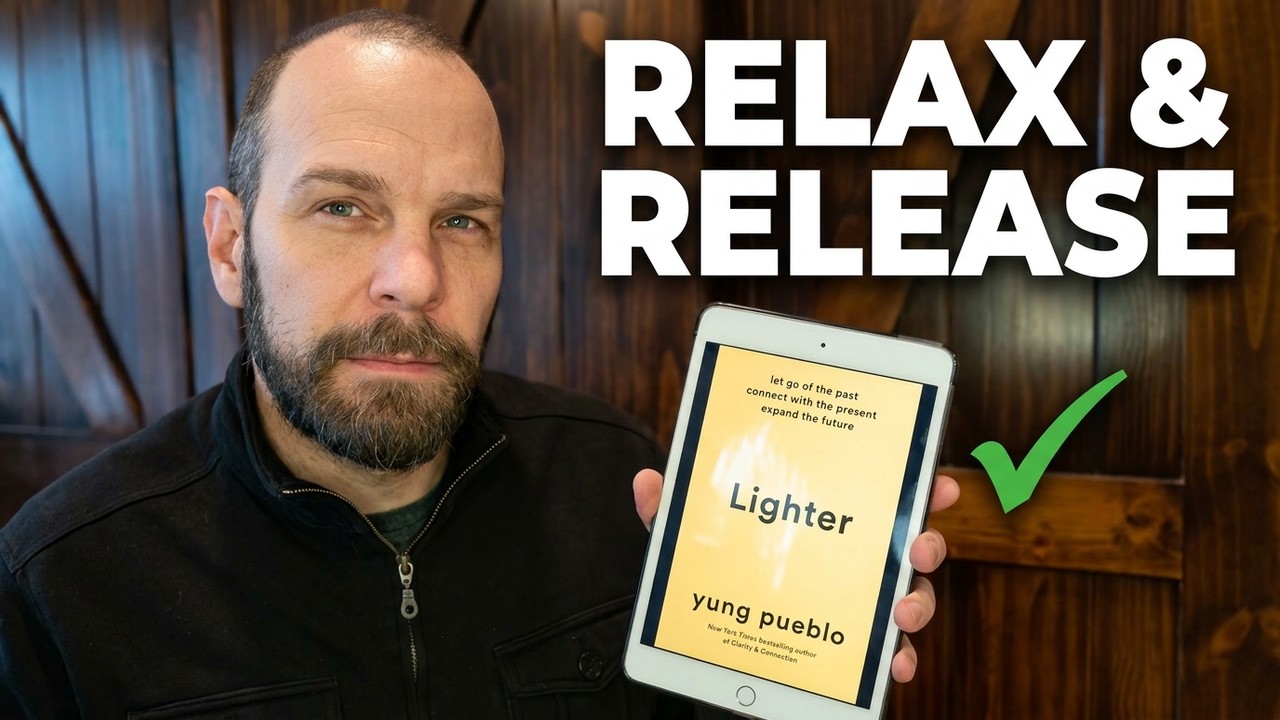
Insights From Young Pueblo’s Teachings
Young Pueblo’s teachings offer a straightforward yet revolutionary approach to overcoming regret and embracing serenity. His message resonates with clarity and simplicity, making profound spiritual concepts accessible to a broad audience.
Basic And Revolutionary Message
Young Pueblo provides an upbeat, basic, and revolutionary message that cuts through complexity. His teachings emphasize simplicity in language and thought, making the profound insights on acceptance, love, and transformation approachable for beginners and seasoned seekers alike.
Unrivaled Insight Through Simple Terms
Despite the simplicity of his language, Young Pueblo delivers unrivaled insight that encourages significant reflection and meditation. His approach invites readers and listeners to engage deeply with their inner experiences without overwhelming them with jargon or complicated theories.
Example Of Personal Journey
One of the most compelling aspects of Young Pueblo’s teachings is his personal story. He shares his journey from drug addiction to serenity, achieved through Vipassana meditation. This narrative serves as a powerful example that he “walks the walk,” embodying the transformation he teaches.
Encouragement Through Authentic Experience
His story is not just motivational but also educational. It illustrates how consistent mindfulness practice and acceptance can lead to profound healing and peace. Young Pueblo’s journey offers hope and guidance to those struggling with regret and seeking a path to freedom.
Perspective For Different Audiences
While Young Pueblo’s counsel is fantastic for newcomers to spirituality, those who are more seasoned in personal development might find his teachings familiar. His advice aligns with traditional therapeutic approaches infused with Eastern philosophy, making it an excellent introduction but potentially less novel for advanced practitioners.
Therapeutic Yet Eastern Bent
His guidance resembles the kind of counsel expected from therapists but with an Eastern philosophical twist. This blend provides a holistic view that incorporates mindfulness, meditation, and compassionate self-awareness as tools for healing regret.
Overall Value Of Young Pueblo’s Teachings
In summary, Young Pueblo offers a valuable resource for individuals seeking to release regret through acceptance, love, and letting go. His accessible teachings, combined with personal authenticity, make his work a worthwhile read and listen, particularly for those new to these spiritual principles.
His approach encourages meditation and introspection, fostering an environment ripe for transformation and healing.
Perez’s Journey From Addiction To Serenity
Perez’s story is a compelling testament to the transformative power of mindful healing and personal commitment. His journey from the depths of drug addiction to a state of serenity exemplifies a profound inner change that many seek but few fully realize.
This transformation is not only inspiring but also serves as a practical example of how one can walk the path of recovery and self-discovery simultaneously.
The Depths Of Addiction
At the outset of his journey, Perez was entrenched in the grip of addiction. This state, marked by craving and aversion, created a stagnant tension reservoir within him — a mental dam that blocked the natural flow of emotional and psychological well-being.
Like many caught in addiction, Perez experienced intense reactivity, pleasure-seeking behaviors, and a desperate need to control his surroundings and emotions.
This internal tension, described metaphorically as “weighty mental rocks,” symbolized the burdens of guilt, regret, and avoidance that often accompany addiction. These mental rocks contribute to a locked, stagnant river of life, where growth and healing seem impossible.
The Turning Point : Embracing Mindfulness
The pivotal moment in Perez’s journey came with his decision to watch his mind honestly and unconditionally. This mindful observation created space between the sediment of his mental burdens, allowing love and healing to begin pouring in. The stones of regret and self-condemnation started to roll away, and he found himself swept into a healing tide.
Through this process, Perez transformed back into what the video describes as the “ever-changing river” — lighter, brighter, wiser, and ready to positively influence the world around him. His transformation is not just a return to normalcy but an elevation to a higher state of awareness and serenity.
A Model For Recovery
Perez’s story is more than just a personal victory; it serves as an encouraging example for others struggling with addiction or emotional turmoil. His path illustrates how recovery is attainable through honest self-observation and the willingness to face the discomfort of craving and aversion without judgment.
His narrative also highlights the importance of patience and persistence. Healing is not instantaneous but a gradual process of unblocking the dams within, allowing the natural healing tide to flow once more.
Key Takeaways From Perez’s Journey
Addiction can create mental dams that block emotional flow and healing.
Honest and unconditional self-observation is crucial to creating space for healing.
Transformation involves becoming lighter, wiser, and more ready to influence the world positively.
Personal recovery journeys can inspire and guide others facing similar struggles.
The Role Of Vipassana Meditation In Healing
Vipassana meditation plays a central role in Perez’s transformation from addiction to serenity. This ancient meditation practice, known for its emphasis on mindfulness and insight, provides a structured way to observe the mind and emotions with clarity and equanimity.
What Is Vipassana Meditation?
Vipassana, meaning “to see things as they really are,” is a meditation technique that encourages practitioners to observe their thoughts, emotions, and sensations without attachment or aversion. This nonjudgmental awareness helps break the cycle of craving and reactivity that often underlies addictive behaviors and emotional suffering.
Healing Through Observation
In Perez’s experience, Vipassana allowed him to “watch his mind honestly and unconditionally. ” This practice was instrumental in creating the space needed for healing. By observing his mental “rocks” — the cravings, aversions, and reactive patterns — Perez was able to loosen their grip and allow them to roll away.
This process of observation without interference is critical because it prevents the buildup of mental tension and resistance. Instead of fighting or suppressing unwanted thoughts and feelings, Vipassana encourages acceptance and understanding, which leads to a natural release of suffering.
Transforming Mental Patterns
Vipassana meditation helps practitioners recognize the impermanent nature of all experiences, including cravings and regrets. Understanding that these mental states are transient allows individuals to detach from them rather than being controlled by them. Perez’s journey reflects this transformation, as he moved from being locked in a stagnant reservoir of avoidance and pleasure-seeking to flowing freely in the healing tide of life.
Benefits For Addiction Recovery
Develops mindfulness to observe cravings and urges without acting on them.
Reduces mental tension caused by aversion and control issues.
Encourages acceptance of emotional pain, facilitating healing.
Promotes emotional resilience and wisdom through insight.
Vipassana As A Foundation For Serenity
Through regular practice of Vipassana, Perez was able to cultivate a state of serenity that was previously elusive. The meditation provided him with practical tools to manage his inner world and emerge lighter, brighter, and wiser. This meditative approach offers a straightforward yet revolutionary pathway to healing, especially for those battling addiction or emotional distress.
Practical Wisdom For Personal Development Seekers
While Perez’s journey and Vipassana meditation provide profound insights, the video also offers practical wisdom for anyone interested in personal development. This wisdom is grounded in straightforward, basic principles that can be revolutionary in their simplicity and effectiveness.
Embracing Craving And Aversion
A key message is the acknowledgment that craving and aversion act as dams in our lives, blocking the natural flow of emotional and mental well-being. Personal development seekers are encouraged to recognize these tendencies within themselves as the root causes of tension and suffering.
Rather than resisting these mental states, the approach advises creating space to observe them honestly and without judgment. This acceptance is the first step toward dissolving the dam and allowing healing to occur.
Creating Space Through Mindfulness
Mindfulness is presented as the practical method for creating space between the sediment of mental burdens. By cultivating honest and unconditional awareness, individuals can allow love and healing to flow in, pushing away the heavy stones of regret, guilt, and control.
Applying The Wisdom In Daily Life
The counsel provided is akin to that of an Eastern-influenced therapist, offering simple yet effective guidance :
Observe your thoughts and emotions without trying to suppress or control them.
Allow yourself to experience discomfort without resistance.
Recognize the impermanence of mental states to reduce attachment and aversion.
Be patient and compassionate with your personal growth journey.
Such practical wisdom is accessible to newcomers and provides a solid foundation for those beginning their personal development journey. However, seasoned spiritual seekers might find these insights familiar and may seek additional perspectives for further growth.
Balancing Simplicity And Depth
The video emphasizes that while the messages are straightforward, they are far from superficial. The revolutionary aspect lies in the simplicity that cuts through complex psychological struggles and offers a clear path to freedom. This balance makes the guidance both accessible and profound.
Encouragement For Personal Development Enthusiasts
Perez’s story and the accompanying wisdom serve as an encouraging reminder that personal development is a journey of continuous practice. It requires walking the walk—applying the principles consistently—and being open to transformation over time.
For those dedicated to this path, the insights shared provide valuable tools to overcome regret, release mental burdens, and cultivate a lighter, wiser, and more serene life.
check The Latest Price Here Ad